
Introduction
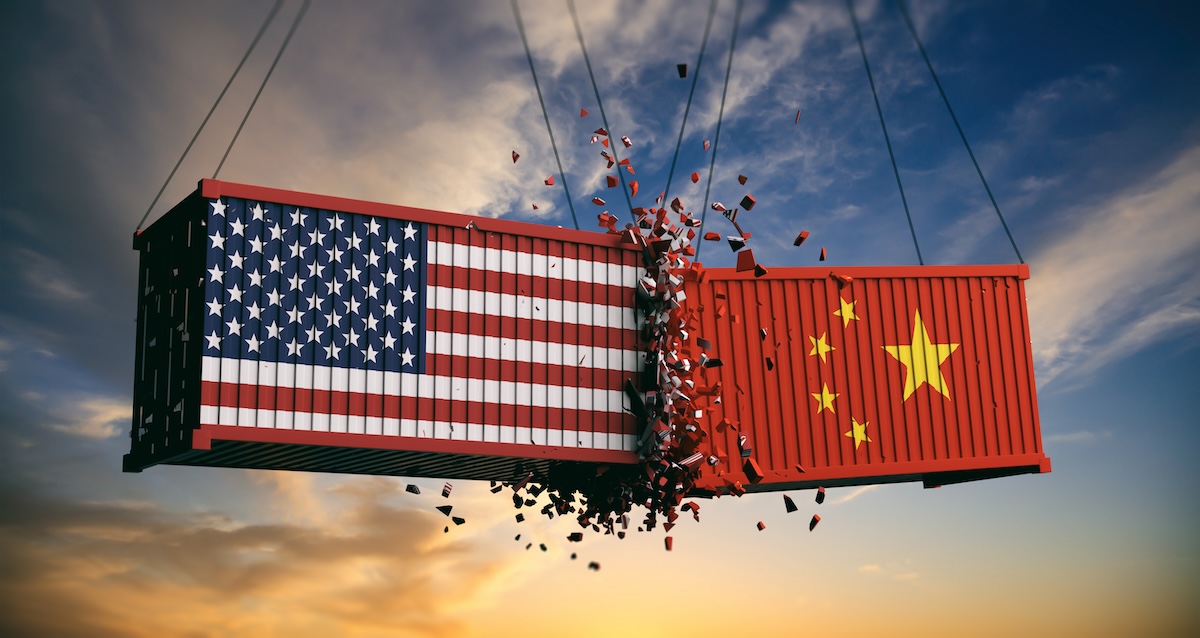
The US – China Trade War, which began in 2018 under the Trump administration, was primarily a bilateral conflict characterized by escalating tariffs and trade barriers between the world’s two largest economies. Although the dispute was concentrated between the United States and China, its ramifications extended far beyond their borders. Africa, while not a direct participant in the conflict, was significantly affected due to its integration into the global economic system. This essay explores the multifaceted impact of the US-China trade war on African economies, analyzing both the challenges and opportunities it presented.
Trade Diversion and Emerging Opportunities
One of the key indirect effects of the trade war was the creation of trade diversion opportunities. As tariffs made it more costly for the US and China to trade directly with each other, both nations began seeking alternative markets. This shift presented opportunities for African countries to fill some of the supply gaps—particularly in sectors like agriculture and raw materials. For instance, China increased its imports of soybeans and other commodities from countries outside the US, potentially benefiting African exporters. Although Africa’s share of global trade remains relatively small, the trade war temporarily enhanced its visibility as an alternative trade partner.
Commodity Price Volatility and Economic Impact as a result of the US – China Trade War
Many African economies rely heavily on the export of primary commodities such as oil, copper, and cobalt. The uncertainty generated by the trade war dampened global economic growth, reducing demand for these commodities and contributing to price volatility. For oil-exporting nations like Nigeria and Angola, the dip in oil prices translated into lower government revenues and increased fiscal pressure. This volatility highlighted the vulnerability of African economies to external shocks, especially those tied to commodity markets.
Shifting Investment Patterns and Geopolitical Rebalancing
The trade war also influenced global investment patterns. Chinese investment in Africa, particularly through the Belt and Road Initiative (BRI), faced increased scrutiny as China grappled with slower domestic growth and re-evaluated its foreign investment strategies. At the same time, the United States sought to counter China’s growing influence in Africa by launching initiatives like Prosper Africa, aimed at boosting US-Africa trade and investment. This competition created a strategic opening for African nations to leverage their geopolitical importance and negotiate more favorable partnerships with both powers.

Manufacturing Prospects and Supply Chain Realignments
Another notable consequence of the trade war was the restructuring of global supply chains. As manufacturers looked to relocate production away from China to avoid US tariffs, Africa emerged as a potential low-cost manufacturing hub. Countries like Ethiopia, with its nascent textile and apparel industries, stood to benefit. However, due to infrastructural deficits, limited industrial capacity, and skills shortages, Africa only experienced marginal gains. Nevertheless, the situation underscored the continent’s potential for industrialization if long-term investments in capacity building are made.
Risks of Overdependence and the Push for Diversification
The trade war served as a stark reminder of the risks associated with overreliance on single economic partners. Several African countries, heavily indebted to China or reliant on exports to a narrow set of countries, began to reevaluate their economic strategies. This led to renewed interest in diversifying trade and investment partners and strengthening regional integration. The African Continental Free Trade Area (AfCFTA), launched in 2021, became a symbol of this drive, aiming to reduce Africa’s external vulnerabilities and boost intra-African trade.

Inflationary Pressures and Consumer Impact
Tariff-induced price increases also had downstream effects on African markets. Many African countries import a large share of their consumer goods, including electronics and machinery, from China or the US. As global prices rose due to the trade war, local consumers faced higher costs, leading to inflationary pressures in some economies. These developments affected the cost of living and added strain to populations already coping with economic challenges.
Currency Fluctuations and Debt Concerns
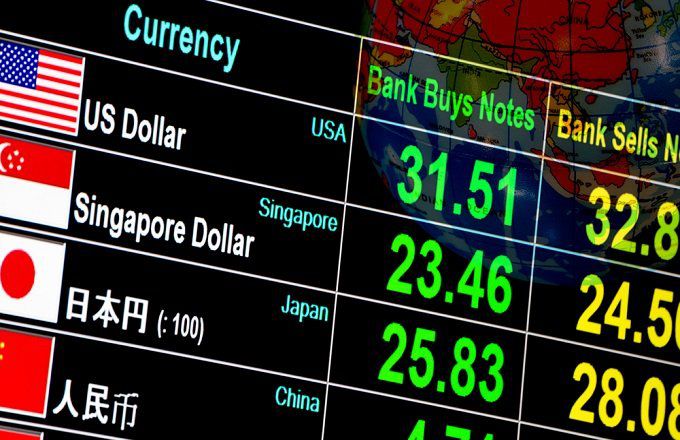
The trade war’s impact on global financial markets also led to currency fluctuations in several African countries. Depreciating currencies raised the cost of servicing foreign debt, much of which was denominated in US dollars or Chinese yuan. For nations with significant external debt burdens—especially those indebted to China concerns about debt sustainability grew more pronounced. This situation highlighted the importance of prudent borrowing and the need for improved debt management frameworks across the continent.
Conclusion
In conclusion, Although Africa was not a direct actor in the US – China trade war, the conflict had significant implications for the continent. From trade and investment shifts to inflation and commodity price fluctuations, African economies experienced both opportunities and challenges. The trade war ultimately served as a wake-up call for Africa to enhance its economic resilience, diversify its partnerships, and deepen regional integration through initiatives like the AfCFTA. Going forward, the continent’s ability to adapt to global economic shifts will be crucial in shaping a more self-reliant and sustainable future.
Published by: Michael Mensah Ahorlu ACMA, CGMA
Team Lead: Trade Check Africa